GHK and GHK-Cu
GHK-Cu at the skin’s surface
A copper-binding peptide has a long cosmetic history. Skin penetration gives that history a surprisingly physical problem to solve.
A 48-hour skin experiment
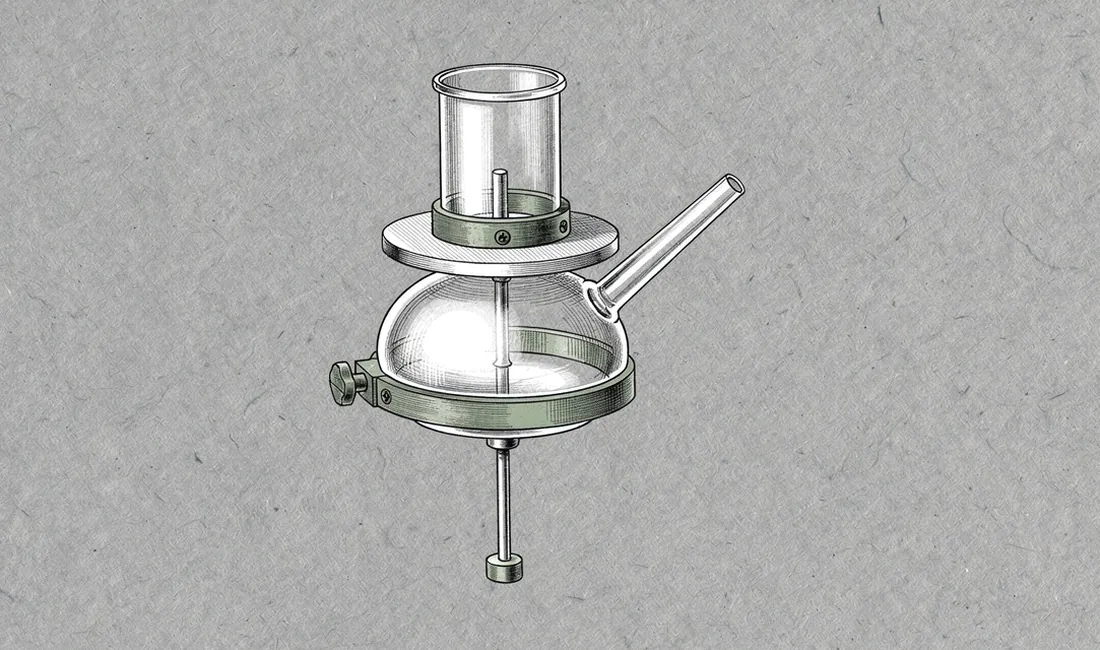
In a skin penetration experiment, copper applied as GHK-Cu passed through removed human skin and also remained within deeper layers over 48 hours. The researchers measured copper. The experiment used skin outside the body, with no person receiving treatment.
Where did the material go? I prefer this practical puzzle to an all-purpose renewal claim. A cream’s ingredient has to reach the place where its claimed action occurs. The 2025 review of topical GHK describes poor passage through the outer skin barrier and efforts to improve delivery. Formulation is central to the experiment.
Hair counts after six months
A 6-month trial in 45 men with hereditary hair loss reported larger hair-count increases with the tested mixture than with placebo. No adverse events were reported in any group. The mixture combined plain GHK with 5-aminolevulinic acid. It tested that combination, leaving each ingredient’s contribution unresolved.
Plain GHK contains three linked amino acids. GHK-Cu carries copper bound to that peptide, so the hair trial’s ingredient deserves its full name. My first temptation was to welcome the longer observation as the stronger answer. The formulation makes the answer narrower than that. Six months spent on one mixture cannot establish the effect of a different preparation.
Skin creams and molecular findings
The review of GHK and skin regeneration describes collagen production and small topical studies reporting changes in skin firmness, fine lines and wrinkle depth. Collagen gives skin support; copper also participates in the chemistry that joins supporting tissue proteins. These are local skin questions with some human observations behind them.
Broader claims draw heavily on gene-expression and laboratory findings. A change in copied DNA instructions occurs upstream of a finished protein and a repaired tissue. Those altered instructions offer an explanation to test against visible effects in living tissue. The breadth of the proposed effects makes confirmation in living tissue more necessary. Several foundational reviews share authors, so replication by other groups matters too.
Cosmetic history and tolerability
GHK’s history began with its isolation from human plasma in 1973, as described in the skin-regeneration review. The copper-bound form later became a cosmetic ingredient. That history helps explain the name’s familiarity; the human research here remains concentrated in small topical studies.
People describe firmer or more hydrated skin, softer-looking lines and thicker-looking hair. Others describe redness, itching, stinging, dryness or uneven pigmentation. These are anecdotal accounts, without the controls needed to establish cause or count clinical risk. Product mixtures and changes elsewhere in a skin-care routine complicate them further.
GHK-Cu has no FDA-approved treatment product. Human evidence for injected or swallowed use is lacking, including validated pharmacokinetics and long-term systemic safety. Prolonged systemic copper exposure raises a theoretical balance concern; the research here has not documented human copper poisoning caused by GHK-Cu. I’m content to wait for systemic evidence while considering the cosmetic findings on their own terms.